Essential Maintenance Tips for Vehicle Longevity
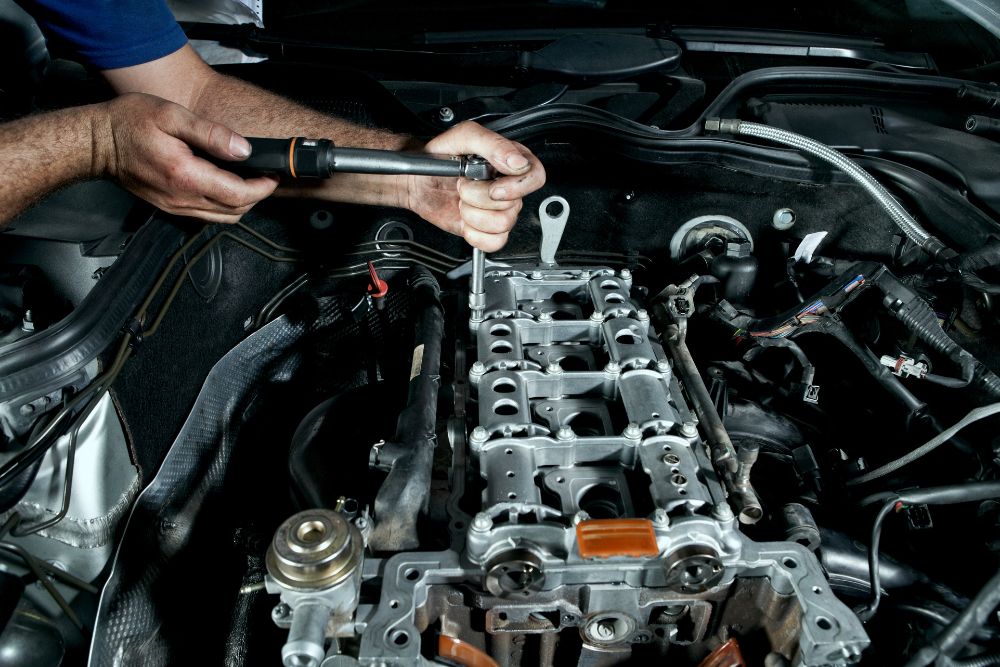
To ensure your vehicle remains in optimal condition, regular maintenance is key. Simple practices such as checking fluid levels, rotating tires, and replacing air filters can significantly extend the life of your car. Following a scheduled maintenance plan helps to prevent unexpected breakdowns and costly repairs, keeping your vehicle running smoothly.
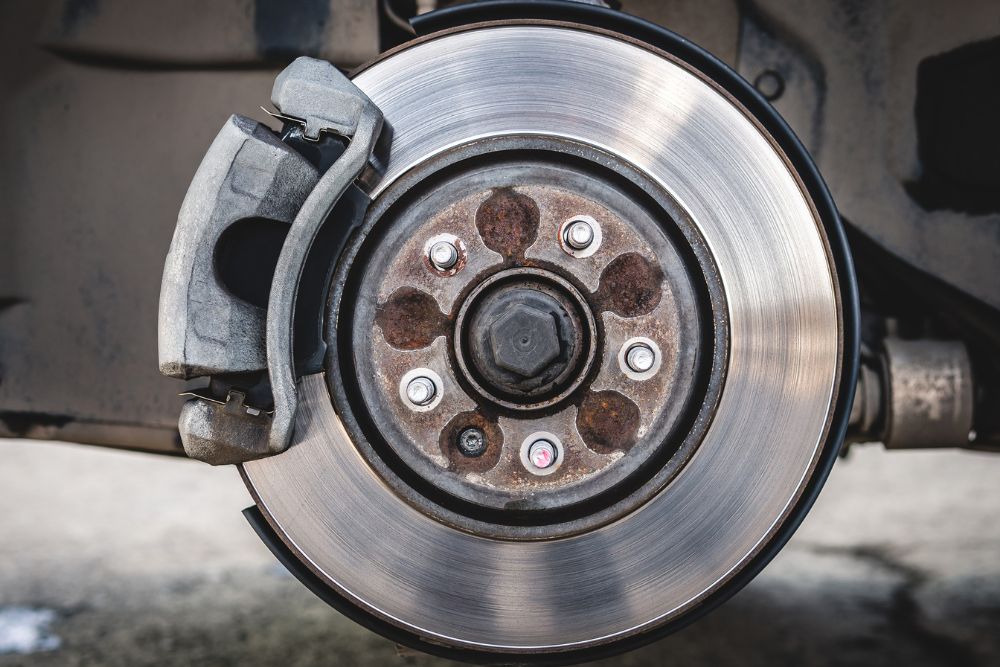
For instance, changing your engine oil every 5,000 to 7,500 miles can help maintain engine performance and efficiency. Additionally, regular inspections of your brakes and suspension can catch issues early, allowing for timely repairs and enhanced safety on the road.
How to Choose the Right Auto Repair Service
Selecting a reliable auto repair service is crucial for maintaining your vehicle's health. Look for shops that are certified, have positive customer reviews, and offer a clear explanation of their services. Trustworthy mechanics will prioritize transparent communication and provide detailed estimates before performing any work.
For example, a reputable shop like Danny's Automotive will not only diagnose issues accurately but also educate you on necessary repairs and maintenance. This ensures you make informed decisions regarding your vehicle's care, ultimately saving you time and money in the long run.
Understanding Your Car's Warning Lights
Car warning lights can be a source of confusion for many drivers. These indicators alert you to potential issues with your vehicle, and understanding their meanings is essential for timely intervention. Familiarizing yourself with these lights can help you avoid serious damage and costly repairs.
For instance, a check engine light could signify a range of issues, from a loose gas cap to more serious engine problems. If you see this light, it's advisable to consult with a professional mechanic at Danny's Automotive who can perform diagnostics and recommend the necessary repairs to keep your vehicle safe and reliable.
Benefits of Regular Oil Changes
Regular oil changes are one of the most important aspects of vehicle maintenance. Fresh oil lubricates engine components, reduces friction, and helps to keep the engine clean by preventing sludge buildup. Neglecting oil changes can lead to engine wear and decreased performance.
Moreover, many manufacturers recommend oil changes every 3,000 to 5,000 miles, depending on the type of oil used. By adhering to this guideline, you can enhance your vehicle's efficiency and longevity, ultimately saving on costly repairs and improving fuel economy.